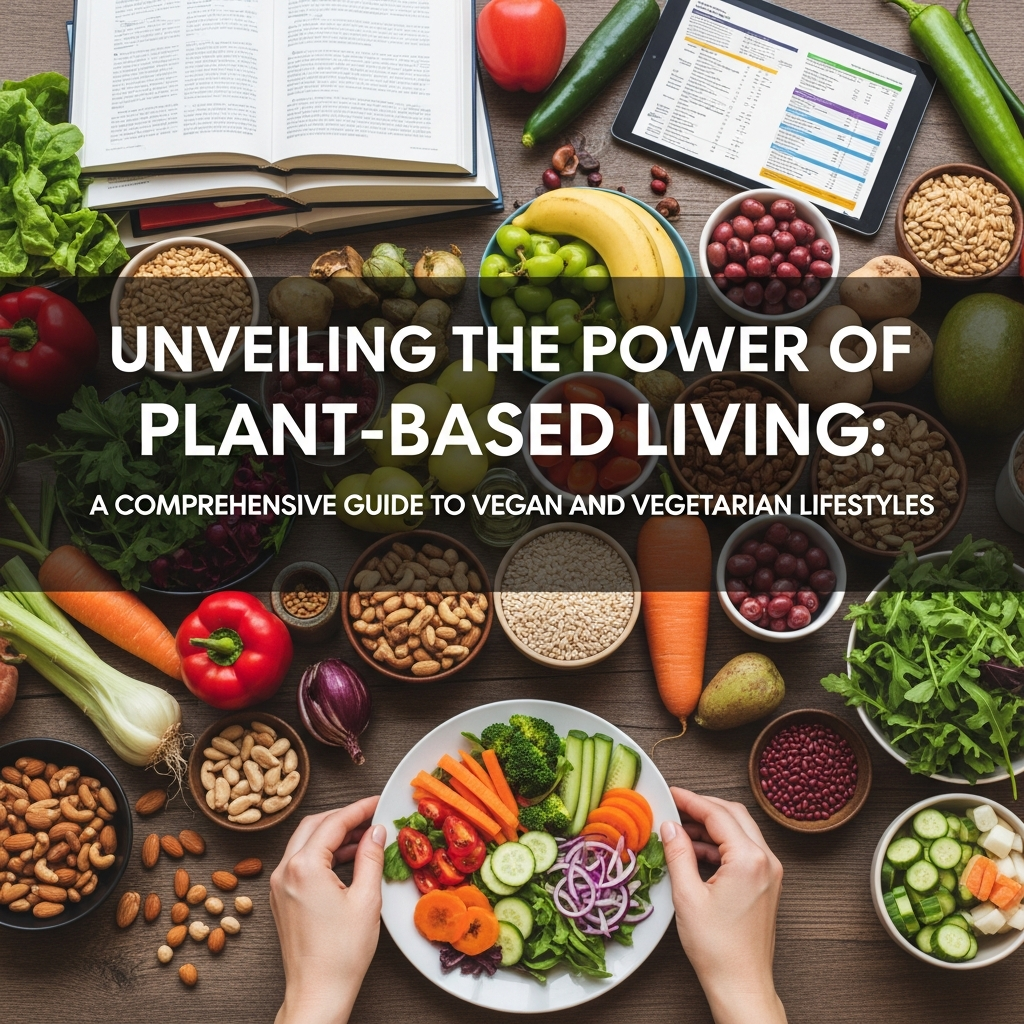
In an increasingly health-conscious and environmentally aware world, plant-based living has moved from a niche concept to a mainstream movement. More and more individuals are exploring vegan and vegetarian lifestyles, driven by a myriad of motivations ranging from personal health and animal welfare to global sustainability. This comprehensive guide delves into the foundations, benefits, and practicalities of embracing a diet rich in plants, offering insights for those curious about making the switch or simply integrating more plant foods into their daily lives.
Defining Plant-Based Lifestyles: Vegetarian vs. Vegan
At its core, a plant-based diet emphasizes foods derived from plants, with minimal or no animal products. However, the terms "vegetarian" and "vegan" represent distinct approaches within this spectrum. Vegetarianism generally involves abstaining from meat, poultry, and fish. Within vegetarianism, there are several subcategories: lacto-ovo vegetarians consume dairy and eggs; lacto-vegetarians include dairy but not eggs; and ovo-vegetarians include eggs but not dairy. Some individuals identify as pescatarians, incorporating fish but no other animal meat, often seen as a semi-vegetarian approach.
Veganism represents a stricter and more expansive form of plant-based living. Vegans not only exclude all meat, poultry, and fish but also eliminate all animal by-products from their diet, including dairy, eggs, honey, and gelatin. Beyond food, veganism often extends to an ethical stance against animal exploitation in all forms, leading to the avoidance of leather, wool, silk, and products tested on animals. This comprehensive commitment to animal welfare and environmental sustainability is often a defining characteristic of the vegan lifestyle, setting it apart from purely dietary vegetarianism.
The Health Benefits: Fueling Your Body Naturally
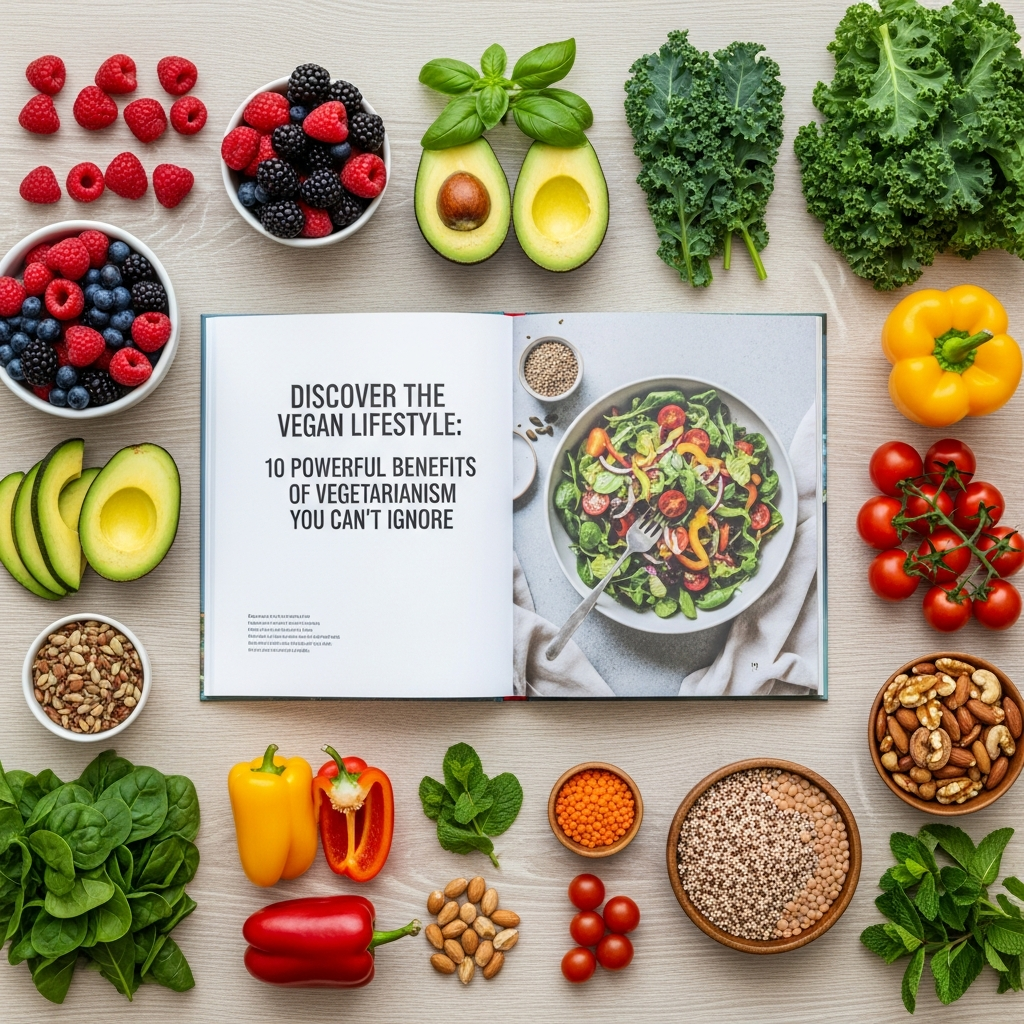
Adopting a plant-based diet can unlock a wealth of health benefits, supported by extensive scientific research. Studies consistently show that individuals following vegetarian and vegan diets tend to have lower risks of chronic diseases, including cardiovascular disease, type 2 diabetes, and certain cancers. The abundance of fiber, vitamins, minerals, antioxidants, and phytonutrients found in fruits, vegetables, whole grains, legumes, nuts, and seeds contributes to improved heart health by lowering cholesterol levels, regulating blood pressure, and reducing inflammation throughout the body.
Furthermore, plant-based diets are often associated with better weight management. High fiber content promotes satiety, helping individuals feel fuller for longer and naturally consume fewer calories. This, combined with the typically lower saturated fat content of plant foods, can aid in maintaining a healthy weight and reducing the risk of obesity. Beyond weight, these diets support a healthier gut microbiome, which is crucial for digestion, immunity, and even mood regulation. The diverse range of plant fibers acts as prebiotics, nourishing beneficial gut bacteria and fostering overall digestive wellness.
Environmental and Ethical Imperatives
Beyond personal health, the environmental and ethical motivations for adopting plant-based diets are increasingly compelling. Animal agriculture is a significant contributor to greenhouse gas emissions, deforestation, and water pollution. Raising livestock requires vast amounts of land and water, and produces methane and nitrous oxide, potent greenhouse gases that exacerbate climate change. By shifting to a plant-based diet, individuals can significantly reduce their carbon footprint, conserve precious natural resources, and help mitigate the environmental impact of food production.
Ethical considerations are a primary driver for many who choose vegan or vegetarian lifestyles. The modern industrial farming system often involves practices that raise serious concerns about animal welfare, including confinement, mutilation, and premature slaughter. A plant-based diet aligns with a philosophy of compassion and non-violence towards animals, recognizing their capacity to feel pain and experience emotions. Choosing plant-based foods is a direct way to protest and disengage from systems that many find morally objectionable, advocating for a more humane treatment of all living beings.
Navigating the Nutritional Landscape: Essential Nutrients
One of the most common concerns about plant-based diets revolves around nutrient adequacy. However, with careful planning, both vegetarian and vegan diets can be nutritionally complete and even superior to conventional diets. Protein, often a top concern, is readily available from a variety of plant sources such as legumes (lentils, beans, chickpeas), tofu, tempeh, nuts, seeds, and whole grains like quinoa and brown rice. A varied diet that includes these sources throughout the day typically provides sufficient protein for most individuals. Iron, another crucial nutrient, can be obtained from leafy greens, lentils, beans, fortified cereals, and dried fruits; pairing these with vitamin C-rich foods significantly enhances absorption.
For vegans, certain nutrients require particular attention, though they are easily managed with fortified foods or supplements. Vitamin B12, essential for nerve function and red blood cell formation, is primarily found in animal products and must be supplemented or consumed through fortified plant milks, cereals, and nutritional yeast. Omega-3 fatty acids, vital for brain and heart health, can be sourced from flaxseeds, chia seeds, walnuts, and algae-based supplements. Calcium, important for bone health, is abundant in fortified plant milks, tofu, dark leafy greens, and sesame seeds. Lastly, Vitamin D (from sun exposure and fortified foods), Iodine (from iodized salt or sea vegetables in moderation), and Zinc (from nuts, seeds, legumes) also warrant attention to ensure comprehensive nutritional intake.
Practical Tips for a Smooth Transition
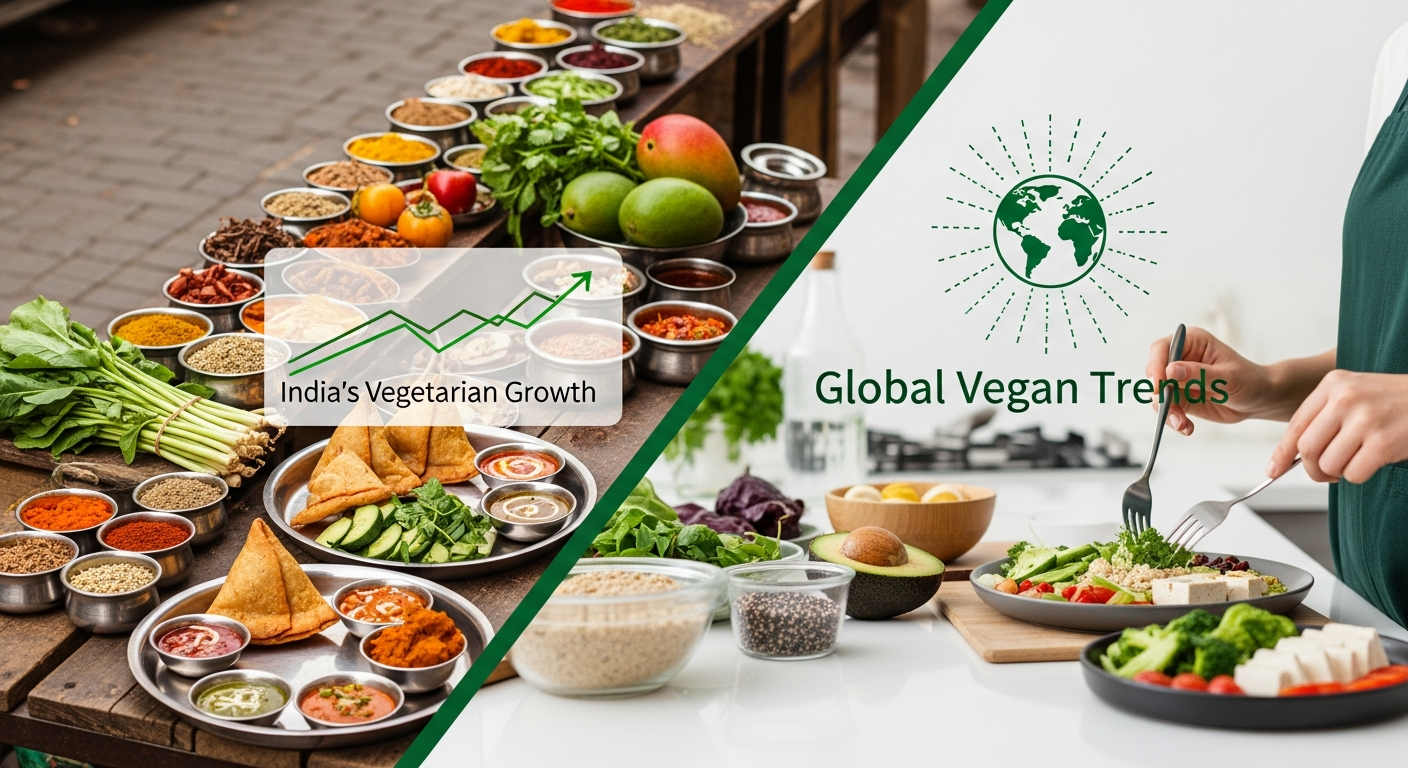
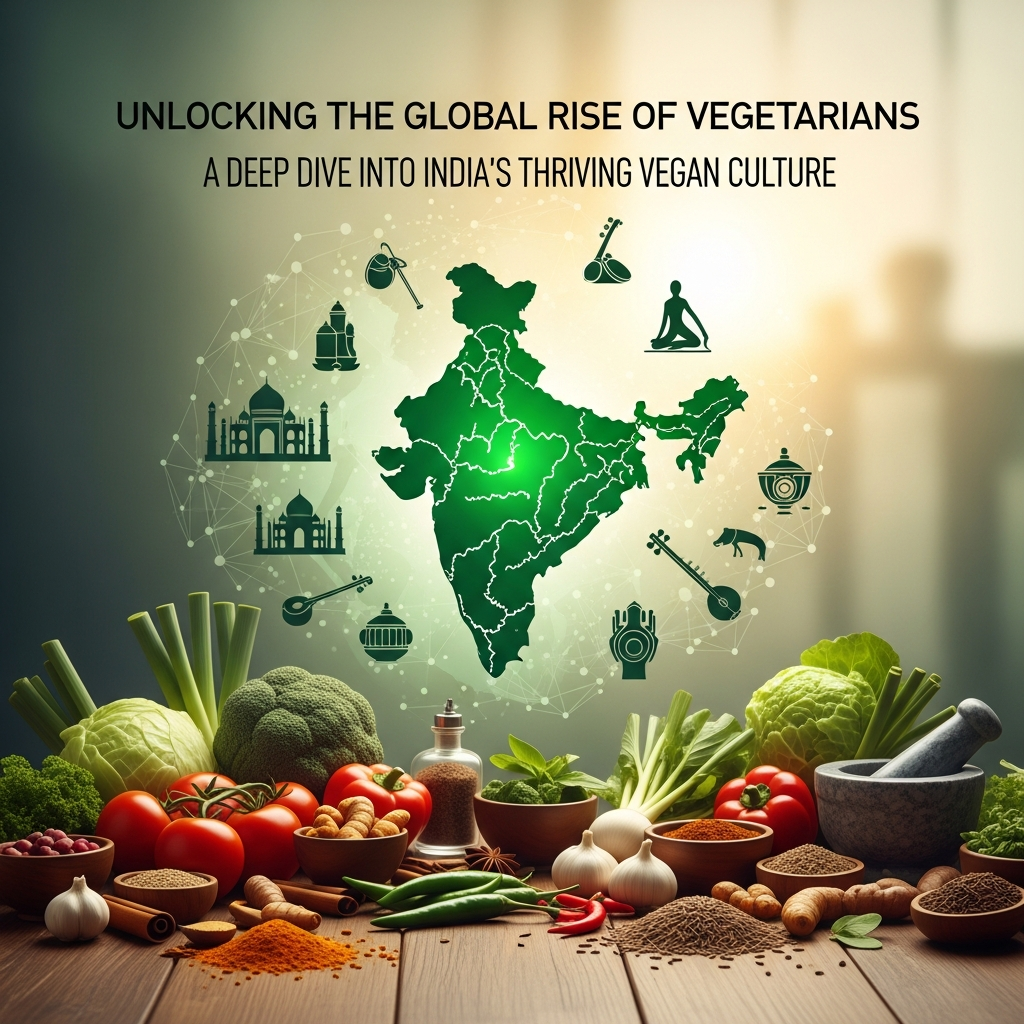
Embarking on a plant-based journey can be an exciting and rewarding experience, and a gradual approach often leads to greater success. Instead of an abrupt overhaul, consider starting with "Meatless Mondays" or replacing one meal a day with a plant-based option. Experimenting with diverse cuisines like Indian, Thai, Mexican, or Mediterranean can introduce a vast array of delicious and naturally plant-rich dishes, expanding your culinary horizons and preventing monotony. Discover new fruits, vegetables, grains, and legumes you enjoy, and don't be afraid to try new recipes.
Meal planning and preparation are invaluable tools for maintaining a plant-based diet, especially when eating out or navigating busy schedules. Stock your pantry with staples such as beans, lentils, whole grains, nuts, seeds, frozen fruits, and vegetables. Learning to read food labels will help you identify hidden animal ingredients and choose suitable products. Engaging with online communities, cookbooks, and local groups can provide inspiration, support, and practical advice. For those with specific health concerns or embarking on a fully vegan diet, consulting with a registered dietitian can ensure all nutritional needs are met and provide personalized guidance.
Conclusion
Embracing a plant-based lifestyle, whether vegetarian or vegan, offers a transformative path towards improved health, environmental stewardship, and ethical alignment. From significantly reducing the risk of chronic diseases and supporting a healthy weight to mitigating climate change and promoting animal welfare, the benefits are profound and far-reaching. While navigating nutrient needs requires awareness, a well-planned plant-based diet is perfectly capable of providing all essential nutrients. By adopting a gradual approach, exploring new foods, and leveraging available resources, individuals can successfully unveil the remarkable power of plant-based living, contributing to a healthier self and a more sustainable planet.