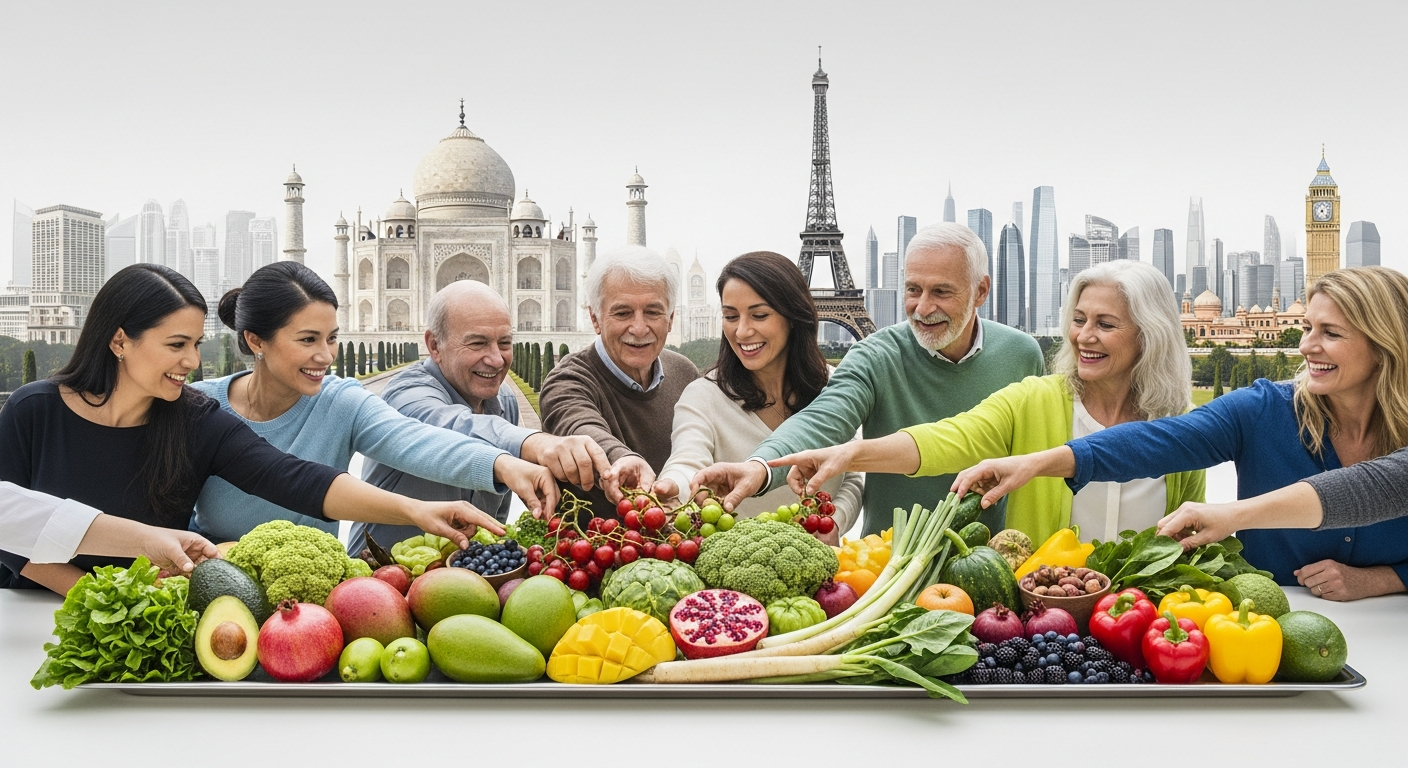
Unlock the Vibrant World of Vegetarians: A Global and Indian Vegan Perspective
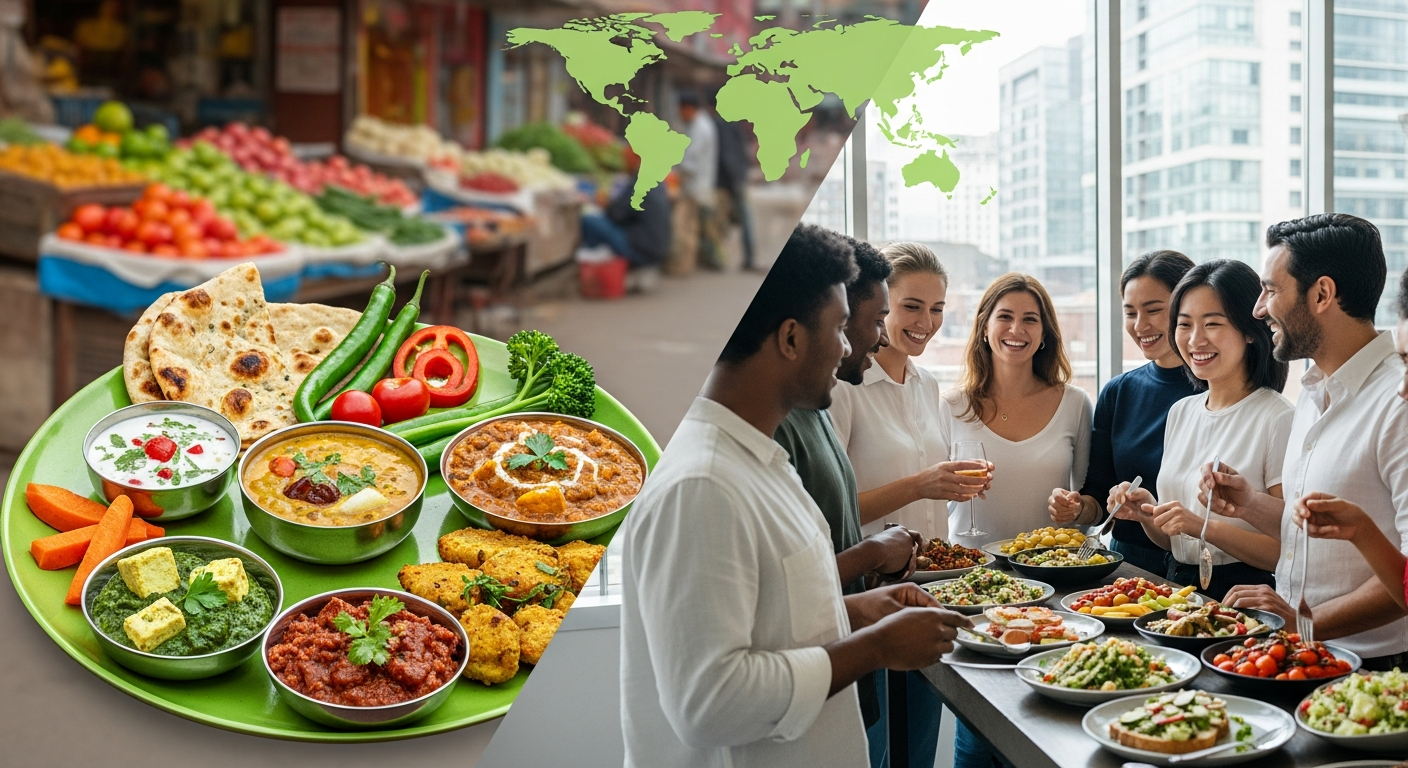
Vegetarianism and veganism have moved from niche lifestyles to global movements, reflecting shifts in ethical awareness, environmental concerns, and health consciousness. Nowhere is this more evident than in India, where plant-based eating has deep historical roots and continues to evolve in response to global trends. From bustling metropolises to rural heartlands, the rise of veganism is unlocking new conversations about food, culture, and compassion.
The Global Rise of Plant-Based Living
Across continents, vegetarianism and veganism are gaining momentum, propelled by a confluence of factors. Recent years have seen a surge in policy changes in Europe that redirect subsidies towards plant-based and cultivated meats, signaling a major shift in agricultural priorities. Similarly, New Zealand’s changes around animal testing reflect a growing recognition of animal welfare.
Table: Growth of Veganism Worldwide (2015–2023)
| Region | Estimated Vegans (2015) | Estimated Vegans (2023) | Key Drivers |
|---|---|---|---|
| North America | ~0.5% of population | ~3% of population | Animal rights, sustainability |
| Europe | ~1% of population | ~4% of population | Policy support, health |
| India | ~27% vegetarian | ~2% vegan | Tradition, rising activism |
While the numbers vary, the trend is unmistakable: plant-based diets are no longer fringe—they are shaping mainstream culture and policy.
India’s Unique Vegetarian Landscape
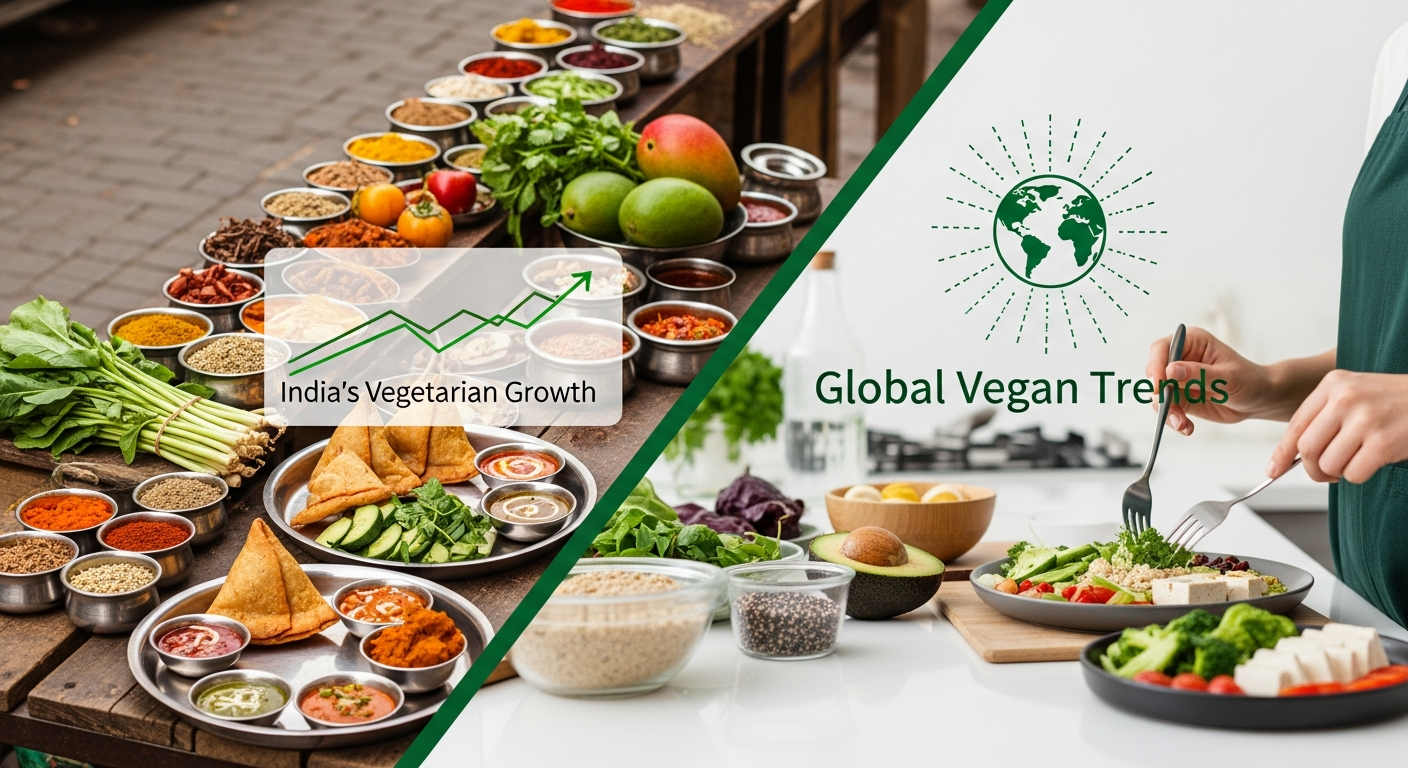
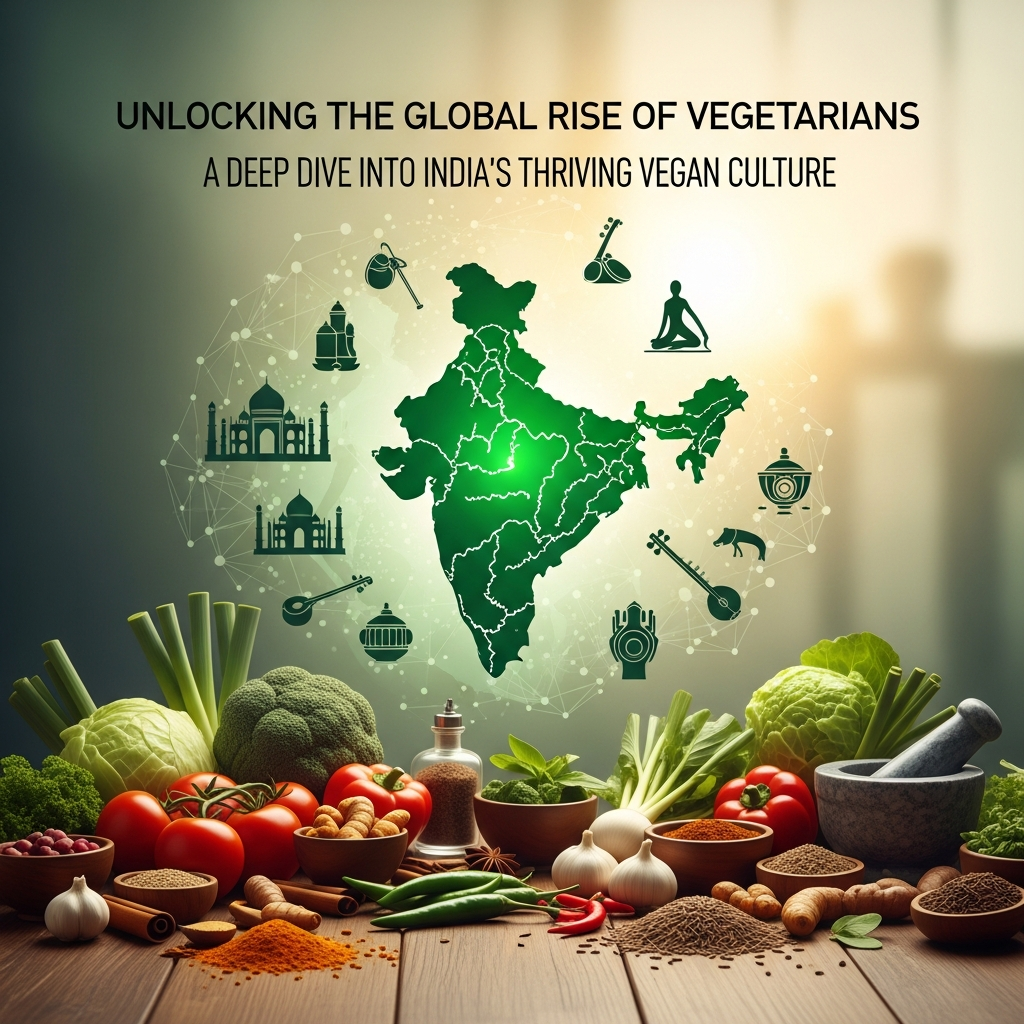
India stands apart as the global epicenter of vegetarianism, with nearly 27% of its population identifying as vegetarian. This tradition is deeply intertwined with spiritual philosophies like Hinduism, Jainism, and Buddhism, which advocate for ahimsa (non-violence) and compassion for all living beings.
Yet, even as vegetarianism thrives, a new wave is cresting: veganism. Unlike traditional vegetarian diets—which may include dairy and other animal byproducts—veganism calls for the complete exclusion of animal-derived ingredients. This movement is gaining traction in Indian cities, propelled by young activists and organizations committed to animal rights.
Veganism in India: Tradition Meets Modern Activism
The evolving landscape of veganism in India is highlighted by initiatives such as Vegan FTA’s “Veganism Around the World” series, which explores how cultural, religious, and political factors influence dietary choices. Hosted by Arvind Animal Activist, the series delves into how Indian society is adapting to and advancing vegan values.
Vegan FTA combines educational content with activism, offering free resources to those interested in adopting a vegan lifestyle. Their outreach spans social media platforms and community programs, encouraging a compassionate approach to animal welfare. The movement is not just about food—it’s about ethics, sustainability, and building a better world for all sentient beings.
#### Table: Key Differences Between Traditional Indian Vegetarianism and Veganism
| Aspect | Traditional Vegetarianism | Veganism |
|---|---|---|
| Animal Products | May include dairy, honey, ghee | Excludes all animal products |
| Motivations | Religious, cultural, ethical | Ethical, environmental, health |
| Popular Dishes | Paneer tikka, dahi vada | Vegan dal makhani, tofu curry |
| Growth Drivers | Heritage, family traditions | Activism, global awareness |
Culinary Heritage: India’s Natural Affinity for Vegan Food
India’s culinary heritage naturally embodies the global vegan movement, with centuries-old recipes that are inherently plant-based. Dishes like dal (lentil stew), sabzi (vegetable curry), dosas (rice-lentil crepes), and chutneys showcase how flavor and nutrition can flourish without animal products.
What sets India apart is the diversity and depth of its plant-based cuisine—regional specialties abound, drawing on local grains, legumes, vegetables, and spices. As veganism grows in popularity, chefs and home cooks alike are innovating with alternatives to dairy and meat while honoring traditional flavors.
The Role of Activism and Community
The modern vegan movement in India owes much to grassroots activists and organizations like Vegan FTA. Their advocacy is not limited to online campaigns; it extends to educational programs such as the Activist Academy, which equips aspiring advocates with tools to drive change.
The growing community support—from social media groups to real-world meetups—reflects a collective desire for ethical living. With resources readily available online and a vibrant network of supporters, more Indians are discovering that veganism is both accessible and rewarding.
Challenges and Opportunities Ahead
Despite its advantages, veganism faces hurdles in India. Dairy remains culturally significant, especially in religious rituals and family traditions. However, the tide is turning as awareness spreads about the environmental impact of animal agriculture and the ethical implications of factory farming.
Global trends indicate that as more people embrace plant-based living—for reasons ranging from climate change to personal health—the demand for vegan products will only increase. In India’s urban centers, this has already spurred a surge in vegan restaurants, food festivals, and specialty stores.
Conclusion: A Vibrant Future Beckons
Vegetarianism has long been woven into India’s cultural fabric, but the rise of veganism signals a new chapter—one that aligns with global movements for sustainability and compassion. As organizations like Vegan FTA champion animal rights and ethical eating worldwide, India stands poised to lead by example.
Unlocking the vibrant world of vegetarians—and vegans—means embracing tradition while welcoming innovation. With a rich culinary heritage and a rising wave of activism, India offers a unique lens through which to view the future of plant-based living: flavorful, inclusive, and compassionate.