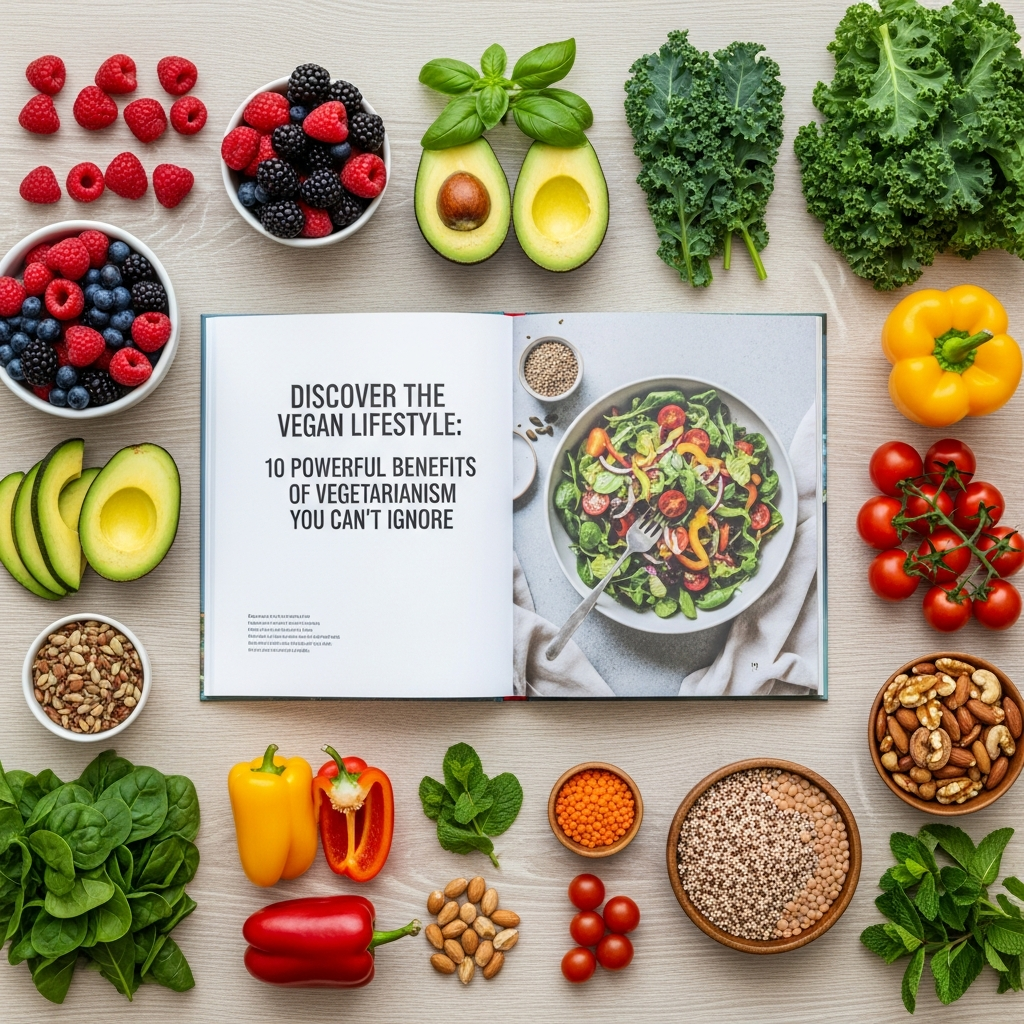
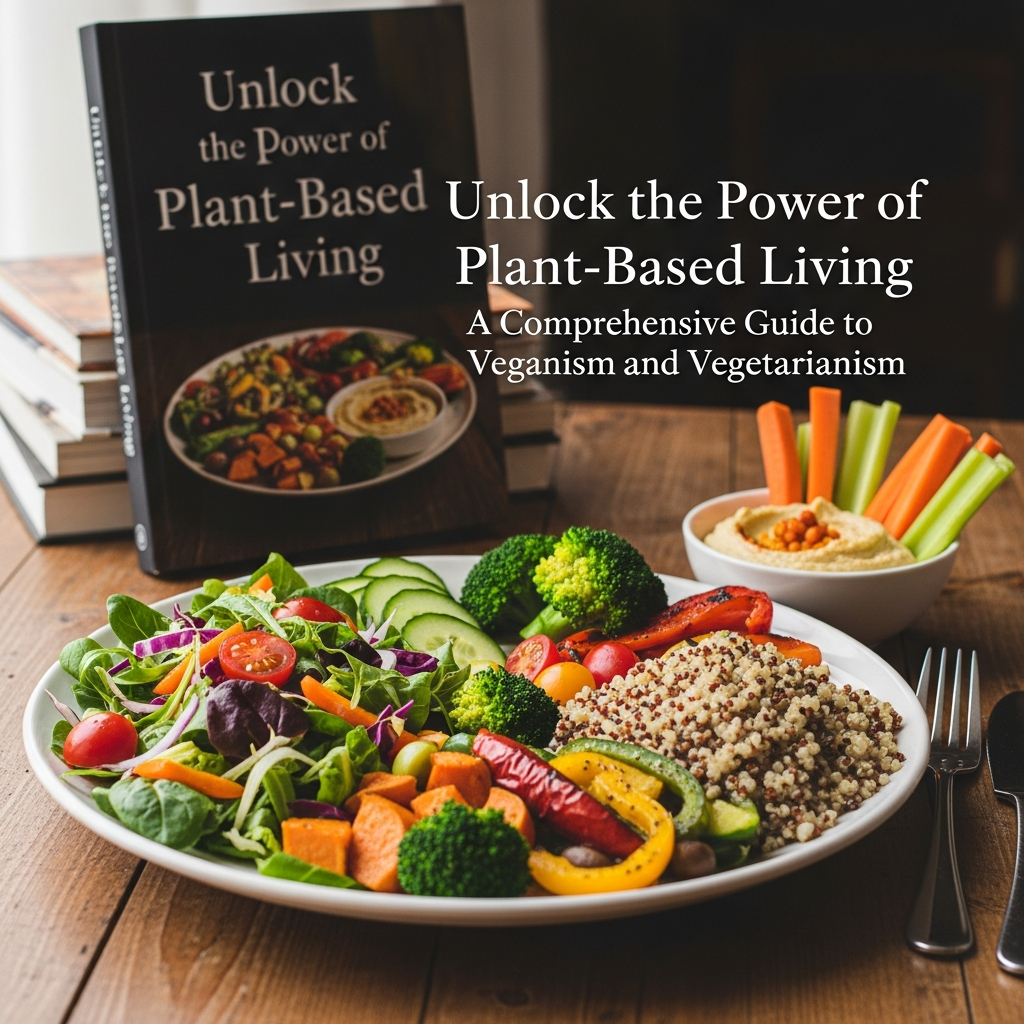
In an era increasingly defined by conscious choices, the shift towards plant-based living stands out as a powerful movement. More than just a dietary trend, embracing vegetarianism or veganism represents a profound commitment to health, ethical considerations, and environmental stewardship. This guide delves deep into the multifaceted world of plant-based eating, offering a thorough exploration of its definitions, benefits, and practical pathways, empowering you to make informed decisions for a healthier planet and a more compassionate lifestyle.
Decoding Plant-Based: Vegetarianism, Veganism, and Everything In Between
The terms "vegetarian" and "vegan" are often used interchangeably, but they represent distinct dietary and lifestyle choices within the broader spectrum of plant-based living. Vegetarianism generally refers to a diet that excludes meat, poultry, and fish, but often includes animal by-products. Within vegetarianism, there are further subdivisions: lacto-ovo vegetarians consume dairy and eggs; lacto-vegetarians include dairy but not eggs; and ovo-vegetarians include eggs but not dairy. The common thread is the absence of animal flesh, driven by a mix of health, ethical, and environmental reasons.
Veganism takes the plant-based philosophy a significant step further. A vegan diet not only excludes all animal flesh but also refrains from consuming any animal by-products, including dairy, eggs, honey, and any ingredients derived from animals like gelatin or certain food colorings. Beyond diet, veganism often extends to a lifestyle choice that seeks to exclude all forms of animal exploitation and cruelty, encompassing products like leather, wool, silk, down, and cosmetics or household items tested on animals. This comprehensive approach reflects a deep ethical commitment to animal rights and welfare, seeing animals not as commodities but as sentient beings deserving of respect.
The Health Revolution: Unearthing the Nutritional Advantages
Adopting a well-planned plant-based diet offers a wealth of documented health benefits, significantly reducing the risk of numerous chronic diseases. Research consistently links vegetarian and vegan diets to lower rates of heart disease, type 2 diabetes, certain cancers, and obesity. This is largely attributed to higher intake of fiber, vitamins, minerals, and antioxidants found abundantly in fruits, vegetables, whole grains, legumes, nuts, and seeds, coupled with a lower intake of saturated fat and cholesterol typically found in animal products. The emphasis on whole, unprocessed plant foods naturally leads to improved gut health, better blood pressure control, and enhanced overall vitality.
While the benefits are substantial, successful plant-based eating requires mindful nutritional planning to ensure adequacy of all essential nutrients. Key nutrients to pay attention to include Vitamin B12 (which must be supplemented as it's not naturally found in plants), iron (consumed with Vitamin C for better absorption), calcium (from fortified plant milks, leafy greens, tofu), iodine, Vitamin D, and omega-3 fatty acids (from flaxseeds, chia seeds, walnuts, algal oil). With proper education and a diverse diet, these nutritional needs can be readily met, demonstrating that plant-based living is not just viable but can be optimally healthful for all stages of life.
A Greener Tomorrow: Plant-Based Diets and Environmental Sustainability
The environmental impact of our food choices is increasingly undeniable, and animal agriculture stands as a significant contributor to many global ecological challenges. Livestock farming is a major driver of greenhouse gas emissions, producing methane and nitrous oxide which are far more potent than carbon dioxide. It also demands vast amounts of land for grazing and feed crop cultivation, leading to deforestation, habitat destruction, and biodiversity loss. Furthermore, industrial animal farming is incredibly water-intensive, consuming massive quantities of fresh water for thirsty crops and animal hydration, and contributing to water pollution through runoff from manure and fertilizers.
Shifting towards plant-based diets offers a powerful solution to mitigate these environmental pressures. Producing plant foods generally requires significantly less land, water, and energy compared to animal products, resulting in a substantially smaller carbon footprint. For example, studies show that producing a kilogram of beef can generate far more greenhouse gas emissions than producing a kilogram of plant proteins like lentils or beans. By choosing plant-rich meals, individuals directly contribute to conserving natural resources, reducing deforestation, preserving ecosystems, and combating climate change, making it one of the most impactful personal actions for environmental sustainability.
Beyond the Plate: Ethical Dimensions of Conscious Eating
For many, the journey to plant-based living is primarily motivated by profound ethical concerns regarding animal welfare and rights. The vast majority of meat, dairy, and eggs produced today come from industrial factory farms, where animals are often subjected to cramped, unsanitary conditions, denied natural behaviors, and experience significant suffering throughout their lives. Practices like intensive confinement, mutilations without anesthesia, and the high-speed processing common in slaughterhouses raise serious moral questions about humanity's treatment of sentient beings.
Embracing vegetarianism or veganism directly translates compassion into action, opting out of systems perceived to be inherently exploitative and cruel. It reflects a belief that animals are not merely commodities for human consumption but beings capable of experiencing pain, pleasure, and fear. This ethical stance extends beyond physical harm to acknowledging an animal's right to live free from human exploitation, recognizing their intrinsic value. By making plant-based choices, individuals align their diets with their moral values, promoting a more humane and just world for all creatures.
Your Journey Begins: Practical Steps for a Seamless Transition
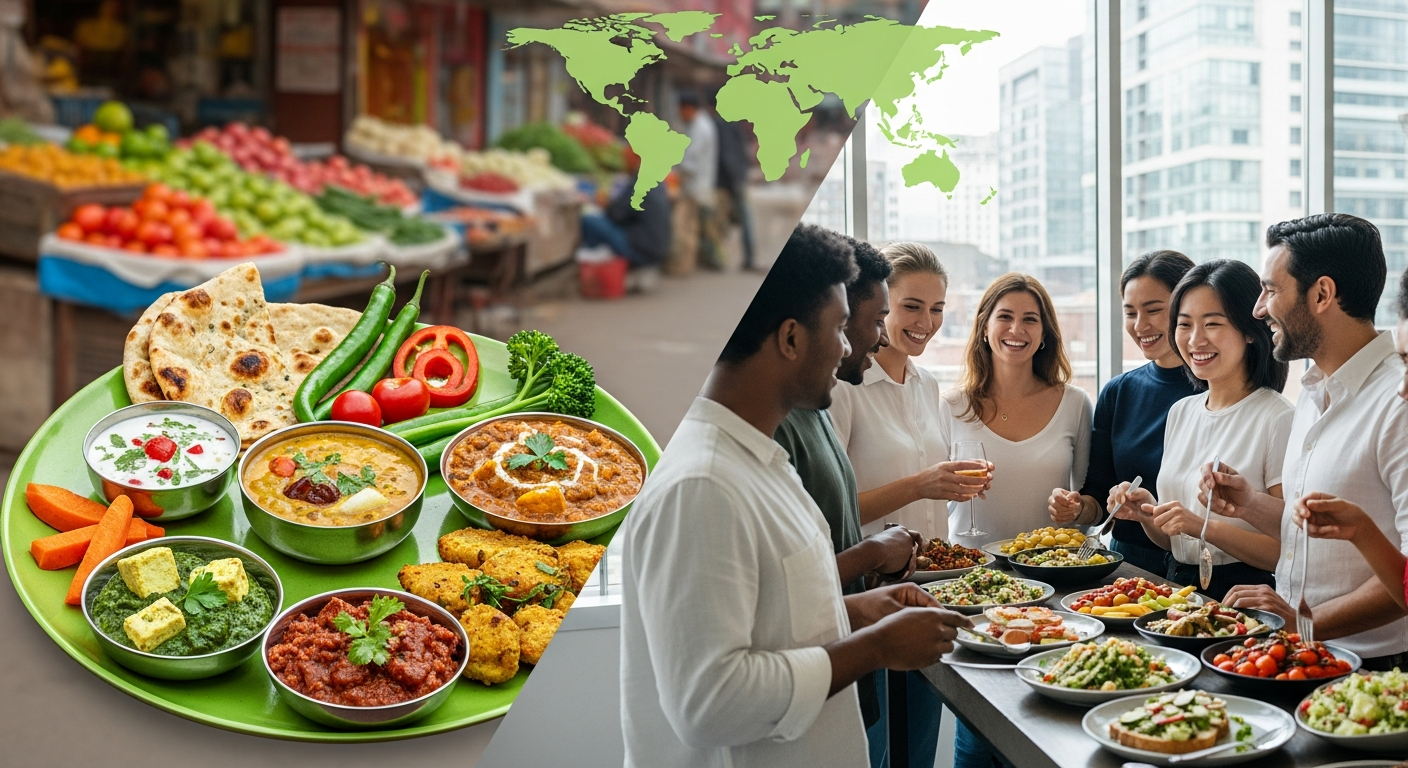
Embarking on a plant-based journey, whether vegetarian or vegan, doesn't have to be an overnight transformation; it can be a gradual, enjoyable process. Start by incorporating more plant-based meals into your week, perhaps dedicating a few days to "Meatless Mondays" or trying one new vegan recipe per week. Experiment with diverse vegetables, fruits, legumes, whole grains, nuts, and seeds to discover new flavors and textures. Explore global cuisines, which often feature naturally plant-forward dishes like Indian dals, Mediterranean mezze, or Mexican bean burritos, offering a rich tapestry of options.
To ensure a smooth transition, focus on building a well-stocked plant-based pantry with staples like dried beans, lentils, whole grains (quinoa, brown rice, oats), nuts, seeds, nutritional yeast, and various spices. Utilize online resources, cookbooks, and communities to find delicious recipes and support. Don't be afraid to experiment with plant-based alternatives for meat and dairy products, but also prioritize whole, unprocessed foods. Remember that progress, not perfection, is the goal. Embrace the learning curve, celebrate small victories, and enjoy the culinary adventure as you unlock the incredible power of plant-based living.
Conclusion
The decision to embrace vegetarianism or veganism is a powerful one, offering a holistic approach to living that benefits personal health, environmental sustainability, and ethical principles. From the reduced risk of chronic diseases and improved well-being to a significantly lower ecological footprint and a stand for animal welfare, the advantages of plant-based living are profound and far-reaching. By understanding the nuances, planning mindfully, and approaching the transition with curiosity and openness, anyone can unlock the transformative power of a plant-forward lifestyle, contributing to a healthier self and a more compassionate, sustainable world for all.