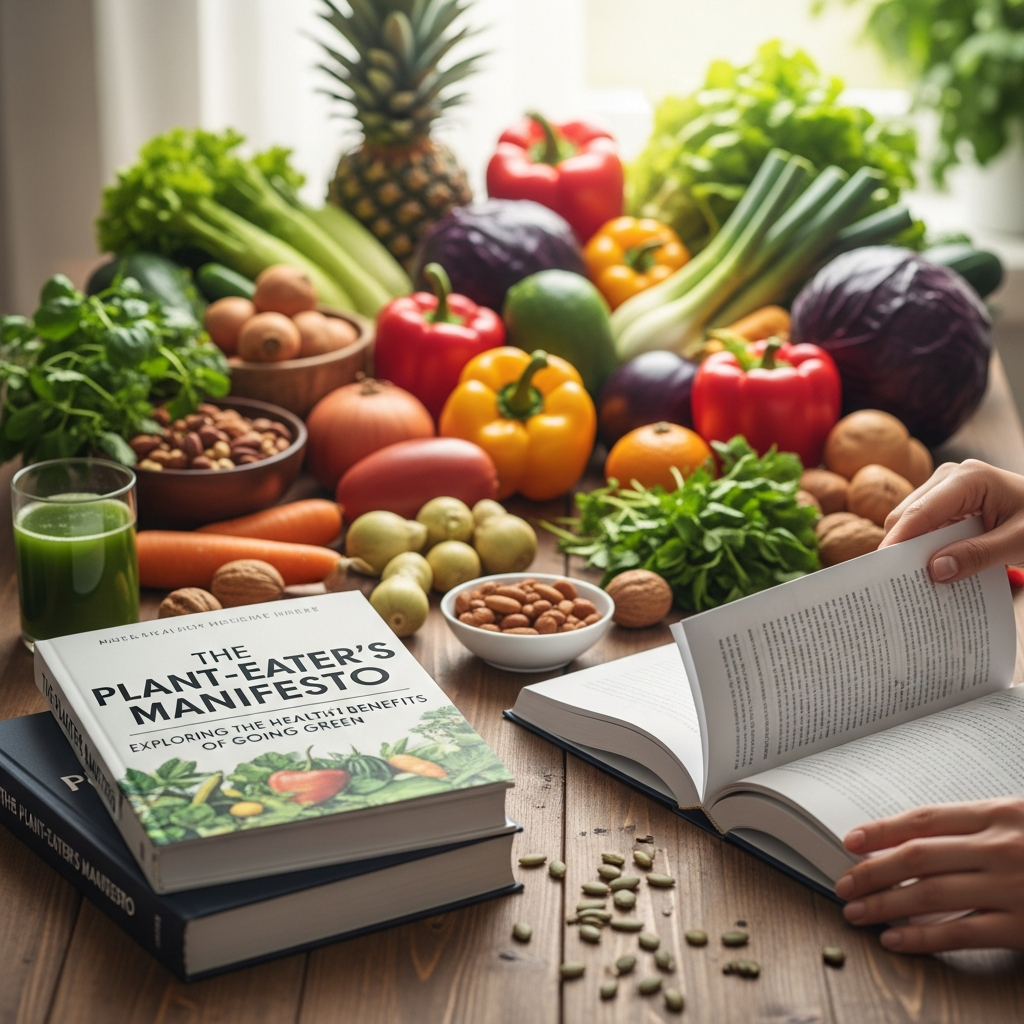
In a world grappling with environmental challenges, the choices we make at the dining table are more crucial than ever. While transportation and energy consumption often dominate discussions about sustainability, our dietary habits are equally impactful. Welcome to "The Plant-Eater's Manifesto," where we delve into the health benefits of embracing a plant-based diet and its profound implications for our planet.
The Environmental Impact of Dietary Choices
When we were young, the sport utility vehicle (SUV) was the prototypical example of Western culture's growing environmental destruction. The iconic Hummer SUV was gradually replaced by the now-iconic and hyper-efficient Toyota Prius. This shift highlights how we measure efficiency—miles per gallon (MPG) for automobiles, but what about our food choices? Every bite of food we consume incurs hidden environmental costs, and some foods require significantly more resources than others. However, calculating this fact is not easy; there are a ton of variables that change based on the region, farming methods, and many other factors.
According to the World Resources Institute's 2016 report, beef production requires 20 times more land and emits 20 times more greenhouse gas emissions per unit of edible protein than common plant-based protein sources such as beans, peas, and lentils. While chicken and pork are more resource-efficient than beef, they still require three times more land and emit three times more greenhouse gas emissions than beans.
The Power of Reducing Meat Consumption
One progressive option is to reduce overall animal consumption by 50%, which can result in a 43% reduction in environmental impact. This option holds great promise because it has the potential to catch on in high-emitting cultures like the U.S. There is more hope in billions of meat-eaters reducing their meat consumption than an equivalent reduction by millions of people going fully vegan. Kicking meat altogether gets us to a 50% reduction in impact. Unfortunately, the WRI data leaves out the last few steps on the road to becoming a plant eater—a plant-based diet. Switching out dairy and eggs could lead to approximately a 60% reduction in environmental impact.
Beyond Greenhouse Gases: The Comprehensive Picture
While greenhouse gases (GHG) and land use are critical metrics, they are only part of the environmental equation. Other factors include water use, species loss through habitat destruction, erosion, and oceanic dead zones. The documentary "Cowspiracy" offers a comprehensive resource on this topic, suggesting that perhaps someday we can replace the villainhood of the gas-guzzling SUV with that of the steakhouse.
Embracing Plant-Based Diets
The idea of going green with a plant-based diet is not just about sustainability; it's also about deliciousness and diversity. A savory vegan Ramen made with mushrooms, soy sauce, miso paste, and tahini can be a staple meal, offering an umami bomb that's hard to resist. Similarly, homemade veggie burgers can transform a staple dish into a nutritious delight without compromising on taste.
Conclusion: The Fork as a Tool for Change
The power we hold in our forks is amazing. By making conscious choices about what we eat, we can significantly reduce our environmental footprint and promote personal health. The journey towards a plant-based diet doesn't have to be all-or-nothing; even small changes can lead to substantial benefits for both individuals and the planet.
As we continue to explore innovative ways to measure and reduce our dietary impact, the hope is that plant-based eating will become more accessible and appealing to all. Embrace the manifesto—your health and our planet will thank you.