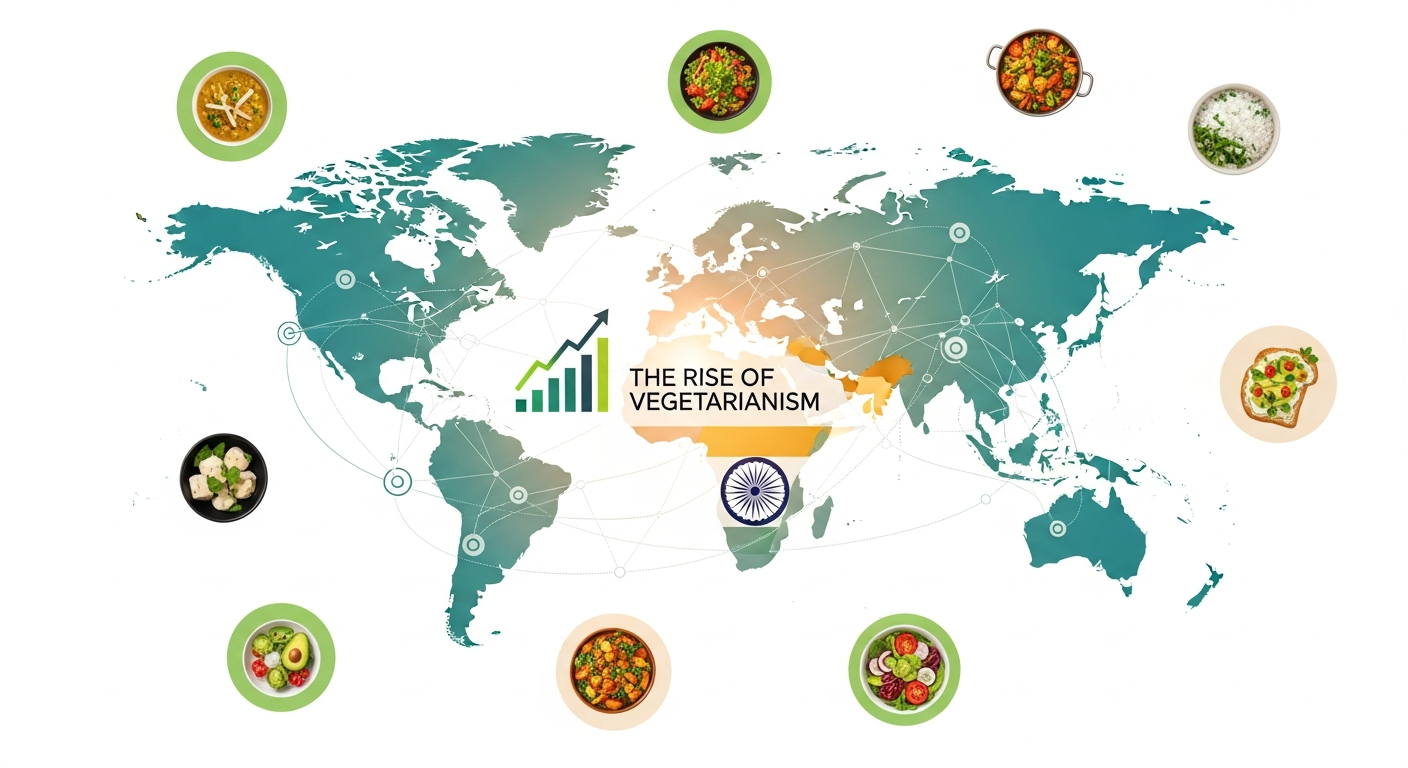
A Growing Plate: Exploring the Rise of Vegetarianism in India and Worldwide
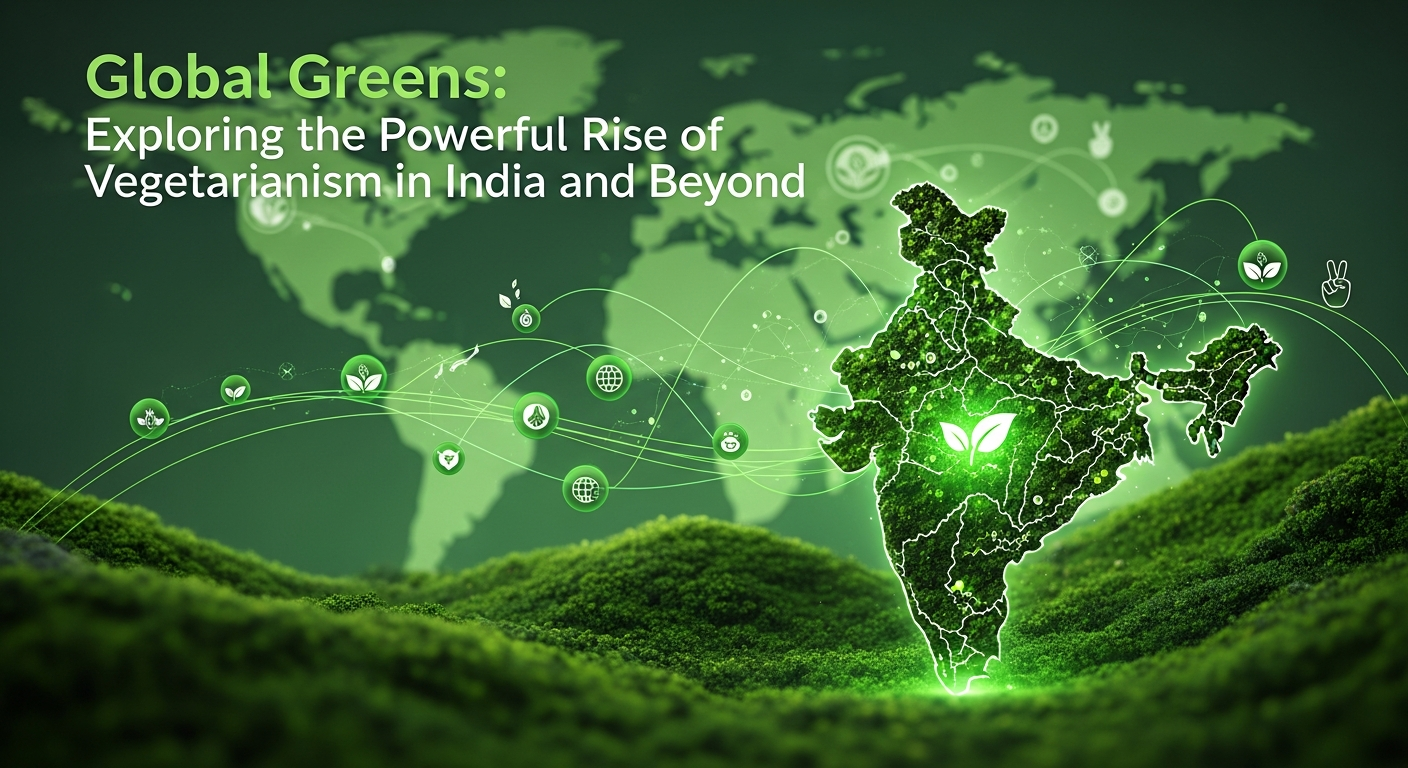
The global food landscape is undergoing a profound transformation. What we choose to put on our plates is increasingly a reflection of our values, health consciousness, and environmental awareness. At the heart of this shift is the remarkable rise of vegetarianism. Once considered a niche lifestyle in many parts of the world, plant-based diets are now entering the mainstream, influencing everything from restaurant menus to multinational food company strategies. This movement is not new—it has deep roots in ancient cultures—but its modern, global surge is driven by a powerful convergence of factors. This article explores the dual narrative of vegetarianism: its long-standing cultural significance in India and its accelerating adoption across the globe.
India: The Historical Bastion of Vegetarianism
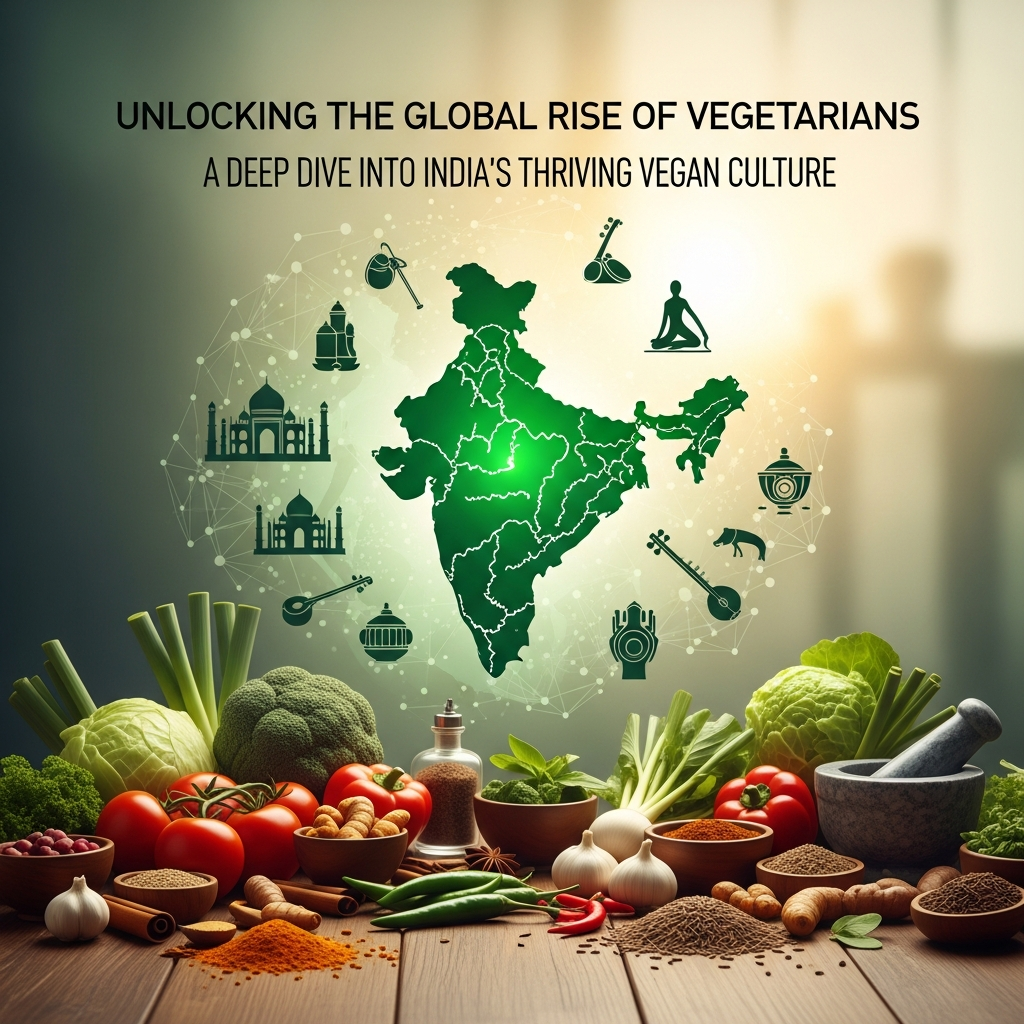
For centuries, India has been the global epicenter of vegetarianism, a tradition deeply woven into its cultural and spiritual fabric. Unlike in many Western countries where vegetarianism is a relatively modern counter-cultural choice, in India, it is a mainstream practice ingrained in history. The principle of Ahimsa, or non-violence, central to religions like Hinduism, Jainism, and Buddhism, has profoundly shaped dietary habits. For millions, a vegetarian diet is not a trend but a moral and spiritual obligation to cause no harm to living beings. This philosophical foundation has made plant-based eating a revered and respected way of life for millennia.
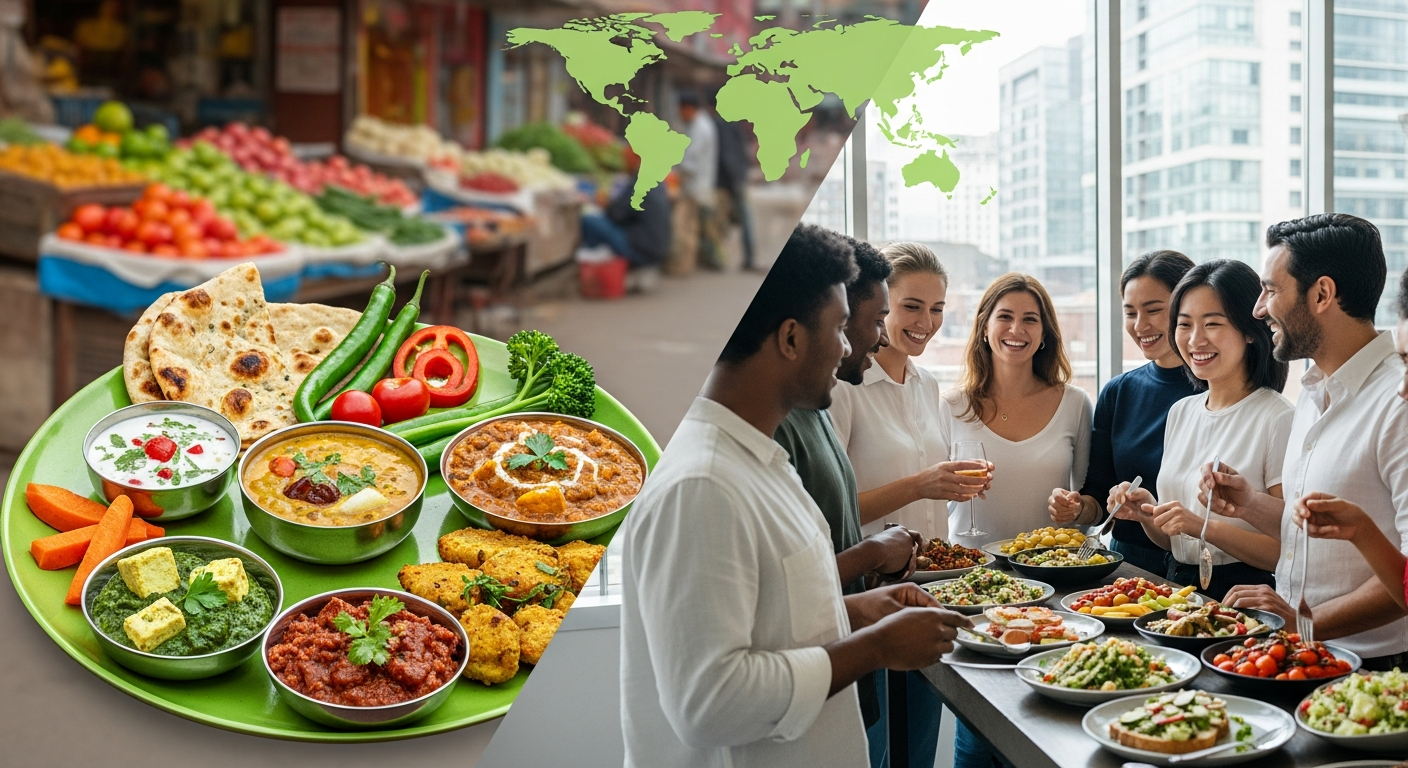
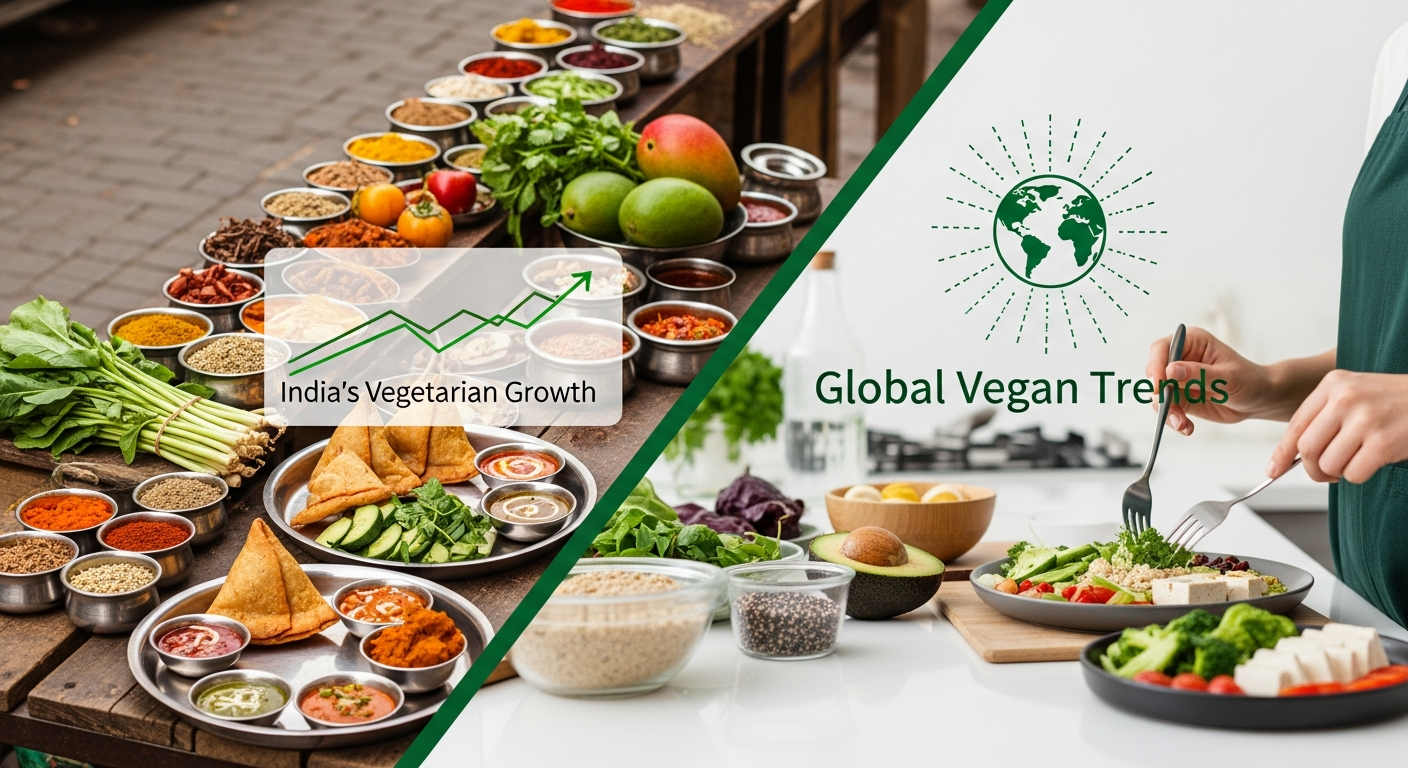
This deep-rooted tradition is reflected in India's diverse and sophisticated cuisine. Indian vegetarian cooking is not about subtraction or imitation; it is a culinary art form in its own right. From the complex lentil stews (dal) and rich paneer curries of the north to the fermented rice crepes (dosa) and coconut-based vegetable dishes of the south, the variety is staggering. Regional cuisines celebrate local produce, spices, and grains, creating an endless array of flavorful and nutritionally complete meals without meat. This culinary richness has ensured that a vegetarian lifestyle is not one of deprivation but of abundance and sensory delight.
However, it is a common misconception that India is a completely vegetarian nation. While it has the highest number of vegetarians in the world, meat consumption is common, particularly in coastal and northeastern states, and is growing among certain demographics due to rising incomes and globalization. Yet, even among meat-eaters, vegetarian meals are consumed frequently, and public spaces, from temples to many restaurants, often default to vegetarian-only offerings. This creates a unique cultural environment where plant-based eating remains the norm, even as dietary patterns evolve.
The Modern Global Surge: Key Drivers
Outside of India, the recent explosion in vegetarianism and plant-forward eating is fueled by a confluence of modern concerns. First and foremost is health and wellness. A growing body of scientific research links high consumption of red and processed meats to increased risks of heart disease, type 2 diabetes, and certain types of cancer. This has prompted health organizations and governments to recommend a greater intake of fruits, vegetables, and whole grains. Consumers are increasingly proactive about their long-term health, viewing a plant-based diet as a powerful tool for preventative care and improved vitality.
Parallel to health concerns is a rising tide of environmental awareness. The ecological footprint of industrial animal agriculture has become impossible to ignore. Reports from organizations like the United Nations have highlighted the sector's significant contribution to greenhouse gas emissions, deforestation for pastureland, and massive water consumption. For a generation grappling with the realities of climate change, choosing a vegetarian or vegan meal is a tangible, personal action to reduce one's environmental impact. This connection between diet and planetary health has mobilized millions, particularly younger people, to reconsider their food choices.
A third powerful driver is a heightened sense of ethical responsibility and animal welfare. The proliferation of documentaries and online media has shed light on the often-unseen conditions of factory farming. This increased transparency has sparked a public conversation about animal sentience and the morality of using animals for food on an industrial scale. For many, the decision to stop eating meat is a direct response to these ethical considerations, representing a stand against what they view as an inhumane and unsustainable system.
Economic and Technological Catalysts
The rise of vegetarianism is not just an ideological shift; it is also a massive economic and technological one. The global plant-based food market is booming, with startups and established food giants alike investing billions of dollars into innovation. Supermarket aisles that once had a small, dusty "health food" section now feature extensive displays of plant-based milks, cheeses, yogurts, and a dazzling array of meat substitutes. This increased availability and visibility have made it easier and more convenient than ever for consumers to experiment with and adopt a vegetarian lifestyle.
This market growth has been supercharged by significant advancements in food science and technology. Companies like Beyond Meat and Impossible Foods have revolutionized the industry by creating plant-based products that closely mimic the taste, texture, and cooking experience of real meat. Using ingredients like pea protein, soy, and coconut oil, they have engineered burgers that "bleed" and sausages that sizzle, effectively breaking down the sensory barriers that previously deterred many meat-eaters. This innovation has expanded the appeal of vegetarian products beyond dedicated vegetarians to a much larger market of "flexitarians"—people who are actively reducing their meat consumption.
Regional Nuances and the Future Outlook
While the trend is global, its expression varies significantly across different regions. In North America and Europe, the movement is heavily driven by the "health, environment, and ethics" trifecta, with a strong emphasis on branded meat alternatives and organic whole foods. In parts of Asia and Latin America, the motivations can be more complex. In some areas, traditional plant-based diets are being rediscovered and celebrated as a form of cultural preservation, while in others, rising incomes and urbanization are leading to a dual trend of both increased meat consumption and growing interest in trendy, Western-style plant-based products.
Looking ahead, the trajectory of vegetarianism points towards continued growth and integration into the global food system. We are likely to see further technological breakthroughs, including the commercialization of cellular (lab-grown) meat, which could disrupt the market entirely by offering a meat product without the associated environmental and ethical costs. Governments and public institutions may play a larger role through policies that support sustainable food systems, such as promoting "Meatless Mondays" or adjusting agricultural subsidies. The conversation is shifting from whether plant-based diets will grow to how quickly they will reshape our world.
Conclusion
The global rise of vegetarianism is a multifaceted phenomenon, rooted in India's ancient traditions and powered by modern-day imperatives. It represents a significant shift in our relationship with food, driven by a powerful combination of health consciousness, environmental urgency, ethical considerations, and technological innovation. While India remains a cultural touchstone for vegetarianism, the movement is now a decentralized, global force, adapting to different cultural and economic contexts. Ultimately, the growing interest in plant-based diets signifies more than just a change in eating habits; it reflects a collective, global effort to build a healthier, more sustainable, and more compassionate future, one plate at a time.