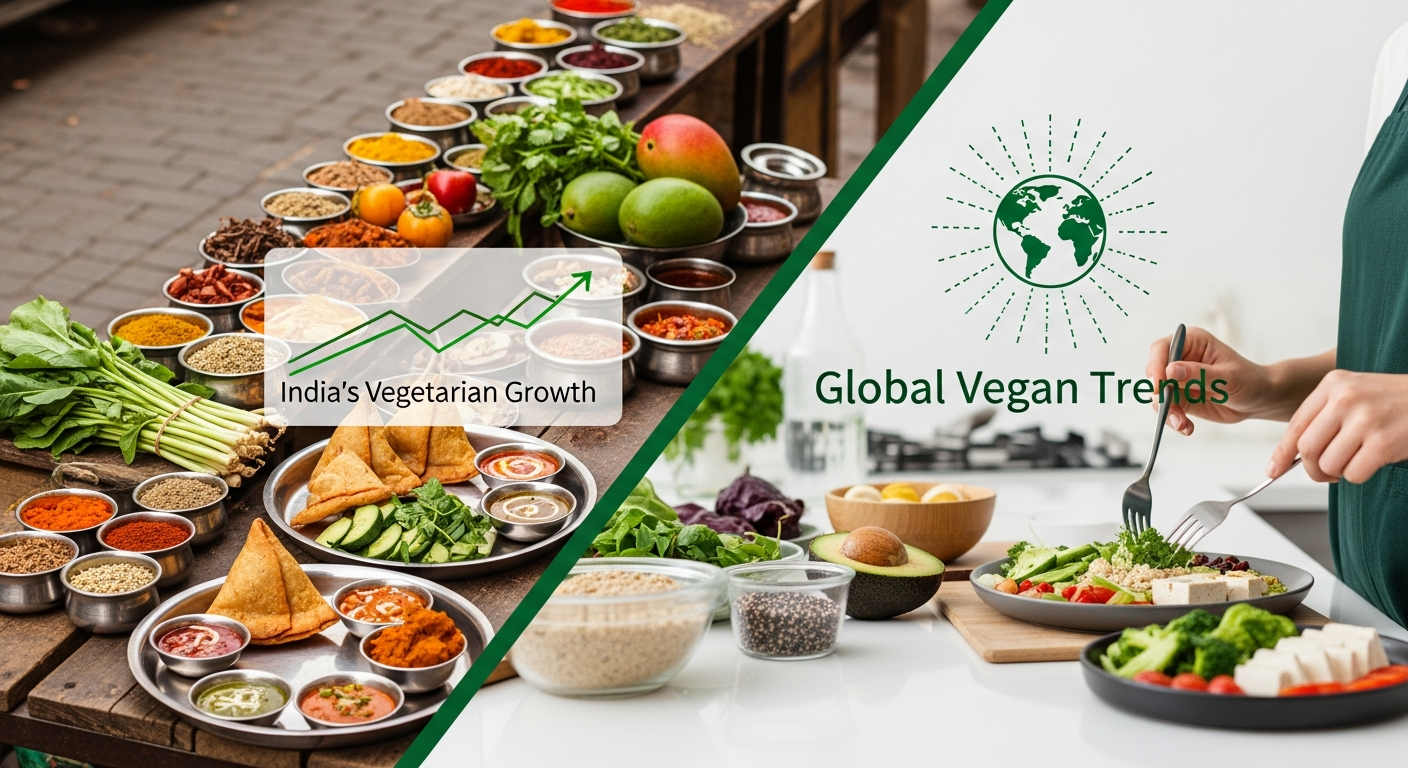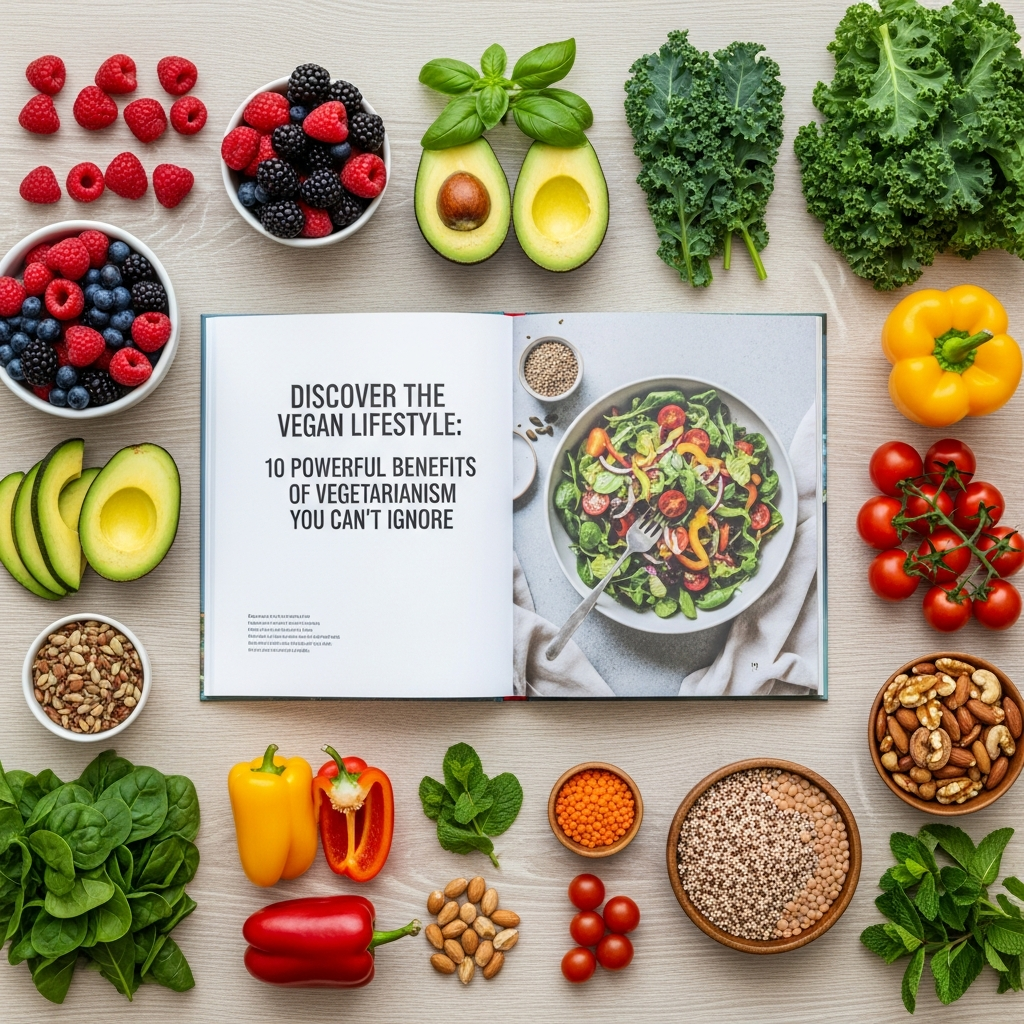

The landscape of modern eating is rapidly evolving, with a significant shift towards plant-based diets. Whether driven by health aspirations, ethical considerations, or environmental concerns, more and more individuals are exploring vegetarian and vegan lifestyles. This growing movement is supported by a robust body of scientific evidence highlighting a myriad of profound benefits. Far from being restrictive, a well-planned plant-based diet can unlock a new level of vitality and contribute positively to both personal well-being and the planet's health. Let's delve into the top 10 compelling reasons to consider this transformative dietary change.
A Foundation for Better Health: Cardiovascular & Metabolic Advantages
Transitioning to a plant-based diet offers significant protective effects for your cardiovascular system, making it a powerful tool in the fight against heart disease. By eliminating animal products, you naturally reduce your intake of saturated fats and dietary cholesterol, two major contributors to arterial plaque buildup. Vegetarian and vegan diets are typically rich in fiber, antioxidants, and anti-inflammatory compounds found in fruits, vegetables, whole grains, nuts, and seeds, all of which work synergistically to maintain healthy blood pressure and cholesterol levels, promoting optimal heart function.
Beyond heart health, adopting a vegetarian or vegan diet has been strongly linked to a reduced risk of developing Type 2 Diabetes. Plant-based foods, particularly whole grains, legumes, and vegetables, have a lower glycemic index and are packed with fiber, which helps regulate blood sugar levels and improve insulin sensitivity. This dietary pattern can prevent the rapid spikes in blood glucose that often lead to insulin resistance, making it an excellent preventative strategy and even a therapeutic approach for managing existing diabetes.
Optimizing Weight and Digestive Wellness
Many individuals find that a plant-based diet is an effective and sustainable strategy for weight management. Plant foods are generally lower in calories and fat but higher in fiber and water content, which promotes satiety and helps you feel fuller for longer. This natural caloric regulation, coupled with the nutrient density of fruits, vegetables, and whole grains, allows for healthy weight loss or maintenance without feeling deprived, fostering a more positive relationship with food.
The abundance of fiber in vegetarian and vegan diets is a cornerstone for superior digestive health. Fiber acts as a prebiotic, nourishing beneficial gut bacteria and promoting a diverse, thriving microbiome. A healthy gut is crucial for nutrient absorption, immune function, and even mental well-being. Regular consumption of plant fibers aids in smooth bowel movements, preventing common digestive issues like constipation and promoting overall gastrointestinal comfort and efficiency.
Beyond the Plate: Longevity and Cancer Prevention
The robust intake of fruits, vegetables, and other plant foods characteristic of vegetarian and vegan diets delivers a powerful arsenal of antioxidants, phytochemicals, and vitamins. These compounds play a critical role in neutralizing free radicals and reducing cellular damage, which are key mechanisms in cancer development. Research consistently suggests that individuals following plant-based diets have a lower incidence of various cancers, including colorectal, breast, and prostate cancers, partly due to the elimination of processed meats and the increased consumption of protective plant compounds.
Embracing a plant-based lifestyle is not just about preventing disease; it's about fostering overall well-being and potentially extending your lifespan. By significantly reducing the risk factors for chronic diseases such as heart disease, diabetes, and certain cancers, a vegetarian or vegan diet lays a solid foundation for a longer, healthier, and more vibrant life. The cumulative effect of fewer inflammatory processes, better weight management, and optimal nutrient intake contributes to a higher quality of life in later years, allowing for more active and engaged living.
Ethical Eating: Compassion and Environmental Stewardship
For many, the decision to go vegetarian or vegan is deeply rooted in ethical considerations and a profound commitment to animal welfare. This lifestyle choice aligns with the belief that animals are sentient beings deserving of respect and freedom from exploitation. By opting out of the animal agriculture system, individuals contribute directly to reducing the demand for factory farming, where animals often endure inhumane conditions, and actively promote a more compassionate world.
Beyond individual ethics, adopting a plant-based diet is one of the most impactful personal choices an individual can make for environmental sustainability. Animal agriculture is a major contributor to greenhouse gas emissions, deforestation, water pollution, and land degradation. Shifting towards plant-based foods dramatically reduces your carbon footprint, conserves precious water resources, and lessens the strain on arable land, thereby helping to mitigate climate change and preserve biodiversity for future generations.
Practical Perks: Energy, Affordability, and Sustainable Living
Far from feeling sluggish, many individuals report experiencing sustained and improved energy levels after switching to a vegetarian or vegan diet. This surge in vitality stems from several factors: the abundance of complex carbohydrates in whole grains and legumes provides a steady source of glucose, preventing energy crashes. Additionally, plant-based meals are typically easier to digest, meaning your body expends less energy on digestion and more on other vital functions, leading to enhanced mental clarity and physical stamina throughout the day.
While often perceived as expensive, a well-planned vegetarian or vegan diet can actually be incredibly cost-effective. Focusing on whole, unprocessed plant foods like legumes, grains, seasonal vegetables, and fruits, which are often purchased in bulk, can significantly reduce grocery bills compared to diets heavy in meat and dairy. These pantry staples are not only economical but also versatile and nutrient-dense, proving that healthy, sustainable eating doesn't have to break the bank.
Conclusion
The decision to embrace a vegetarian or vegan lifestyle is a powerful commitment to personal health, ethical values, and environmental responsibility. From fortifying your cardiovascular system and reducing the risk of chronic diseases like diabetes and cancer, to promoting healthy weight and optimal digestion, the health benefits are profound and well-documented. Beyond the individual, this dietary shift embodies compassion for animals and acts as a crucial step towards a more sustainable planet. With increased energy, potential cost savings, and the profound satisfaction of living in alignment with one's values, the journey towards a plant-based future offers a wealth of rewards. It's a comprehensive approach to well-being that benefits not just you, but the entire world.