In recent years, the debate between plant-based and animal-based diets has intensified, driven by growing concerns about health and environmental sustainability. While the omnivorous nature of humans allows for a diverse diet, shifting towards herbivorous eating patterns offers numerous health benefits. This article delves into ten science-backed reasons why adopting a herbivorous lifestyle can lead to a healthier life.
Nutrient-Rich Diets
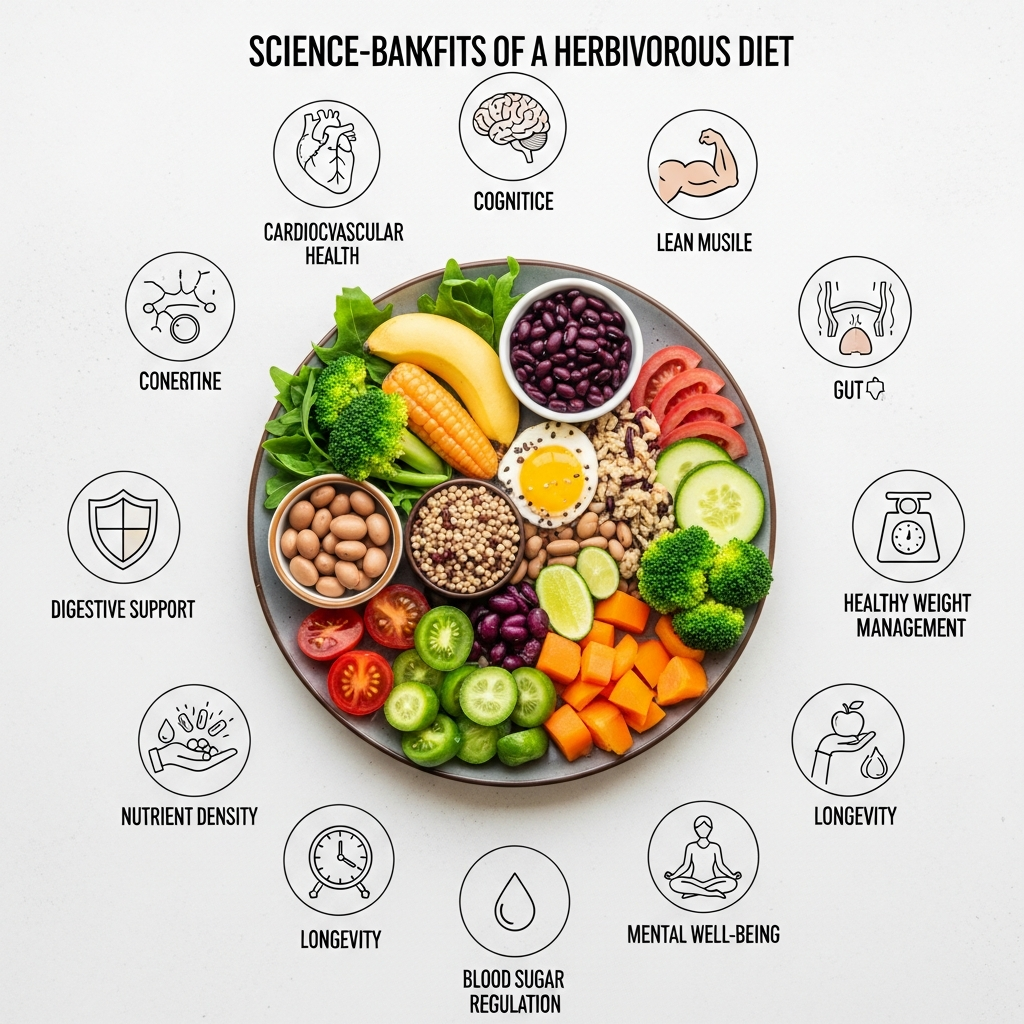
Herbivorous diets are rich in essential nutrients that are often lacking in standard omnivorous diets. Plant-based foods provide a plethora of vitamins, minerals, and antioxidants. These nutrients are vital for maintaining optimal health and preventing chronic diseases. The emphasis on consuming a variety of fruits, vegetables, nuts, seeds, and grains ensures an adequate intake of essential nutrients that support bodily functions and enhance overall well-being.
Reduced Risk of Chronic Diseases
Studies have shown that plant-based diets are associated with a lower risk of chronic diseases such as heart disease, diabetes, and certain cancers. The high fiber content in plant foods helps regulate blood sugar levels and lowers cholesterol, reducing the risk of cardiovascular diseases. Moreover, the absence of processed meats and saturated fats in herbivorous diets contributes to better heart health.
Weight Management
Adopting a herbivorous lifestyle can aid in weight management. Plant-based foods are typically lower in calories and high in fiber, which promotes satiety and reduces overeating. This dietary pattern supports a healthy weight by naturally controlling calorie intake without the need for strict portion control or calorie counting.
Improved Digestive Health
A diet rich in fruits, vegetables, and whole grains supports digestive health by providing ample dietary fiber. Fiber acts as a prebiotic, nourishing beneficial gut bacteria and promoting regular bowel movements. This not only prevents constipation but also reduces the risk of developing gastrointestinal disorders such as diverticulitis and irritable bowel syndrome.
Enhanced Longevity
Research suggests that individuals following plant-based diets tend to live longer, healthier lives. The antioxidants and anti-inflammatory compounds present in plant foods help combat oxidative stress and inflammation, which are linked to aging and age-related diseases. By reducing these risk factors, herbivorous diets contribute to increased longevity and improved quality of life.
Better Mental Health
The benefits of a plant-based diet extend beyond physical health. Studies have indicated that individuals consuming more plant foods experience better mental health outcomes, including reduced symptoms of depression and anxiety. The high content of vitamins, minerals, and antioxidants in plant-based foods supports brain health and cognitive function.
Environmental Sustainability
Herbivorous diets are more environmentally sustainable compared to diets high in animal products. Livestock production is a significant contributor to greenhouse gas emissions, deforestation, and water usage. By reducing reliance on animal-based foods, individuals can decrease their carbon footprint and contribute to a more sustainable planet. A recent study highlights that _shifting to plant-based foods can significantly lower greenhouse gas emissions_ source.
Ethical Considerations
Choosing a herbivorous lifestyle aligns with ethical considerations regarding animal welfare. By reducing or eliminating animal products from their diet, individuals can avoid supporting industries that often involve unethical practices in animal farming. This conscious choice contributes to a more compassionate approach to food consumption.
Versatility and Variety
Plant-based diets offer versatility and variety in meal planning and preparation. With an abundance of fruits, vegetables, grains, legumes, nuts, and seeds available, individuals have endless options for creating diverse and flavorful meals. This variety not only enhances culinary experiences but also ensures a balanced intake of nutrients.
Accessibility to Plant-Based Alternatives
The rise in popularity of plant-based diets has led to an increase in the availability of plant-based alternatives to meat, dairy, and other animal products. These alternatives provide similar flavors and textures while offering health benefits associated with plant-based nutrition. The accessibility of these products makes transitioning to a herbivorous diet easier than ever.
In conclusion, embracing a herbivorous lifestyle offers numerous health benefits supported by scientific research. From improved nutrient intake and reduced risk of chronic diseases to enhanced longevity and environmental sustainability, the advantages of a plant-based diet are compelling. As awareness continues to grow, more individuals are recognizing the positive impact of choosing herbivorous eating patterns on their health and the planet.